
Creative range
One of the shifts I’ve noticed is the variety of work and clients. Being in-house, you live and breathe one brand. There is value in consistency but the work can start to feel repetitive and the creative challenges start to feel familiar overtime.

Working in a studio, its the range of projects and industries we get to work with. Every client brings a new story, a different audience, and a unique set of challenges that keeps the work exciting.Each project builds on the last, expanding your creative perspective while still staying true to every client’s brand.
A new kind of meeting
Both in-house and studio life come with their fair share of meetings, but the content and tone of those meetings couldn’t be more different. When I worked in-house, meetings were mostly internal — design critiques, briefings, quarterly planning, and the occasional presentation to marketing or leadership.
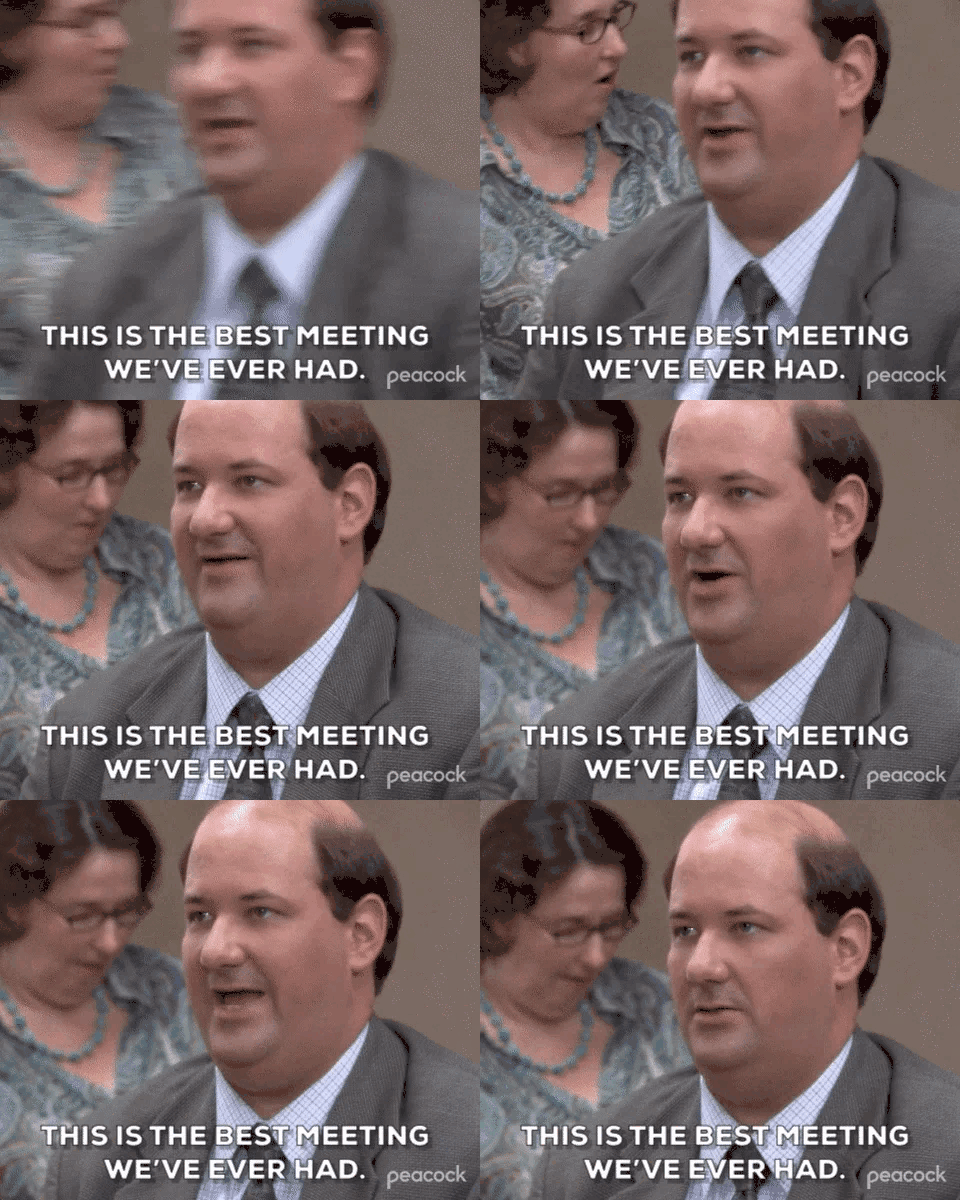
At a studio, meetings are more project-driven: kickoffs, check-ins, and client presentations. The big shift? You’re often presenting directly to clients. That means learning to articulate design decisions clearlyand confidently — and translating creative language into business value.
Communication looks different
Working in-house, most updates, requests, and timelines flow through project managers. They act as the buffer between designers anyone requesting new work— organizing priorities, managing expectations, and pushing back when deadlines don’t make sense. It can allow designers to stay focused on the creative work itself.
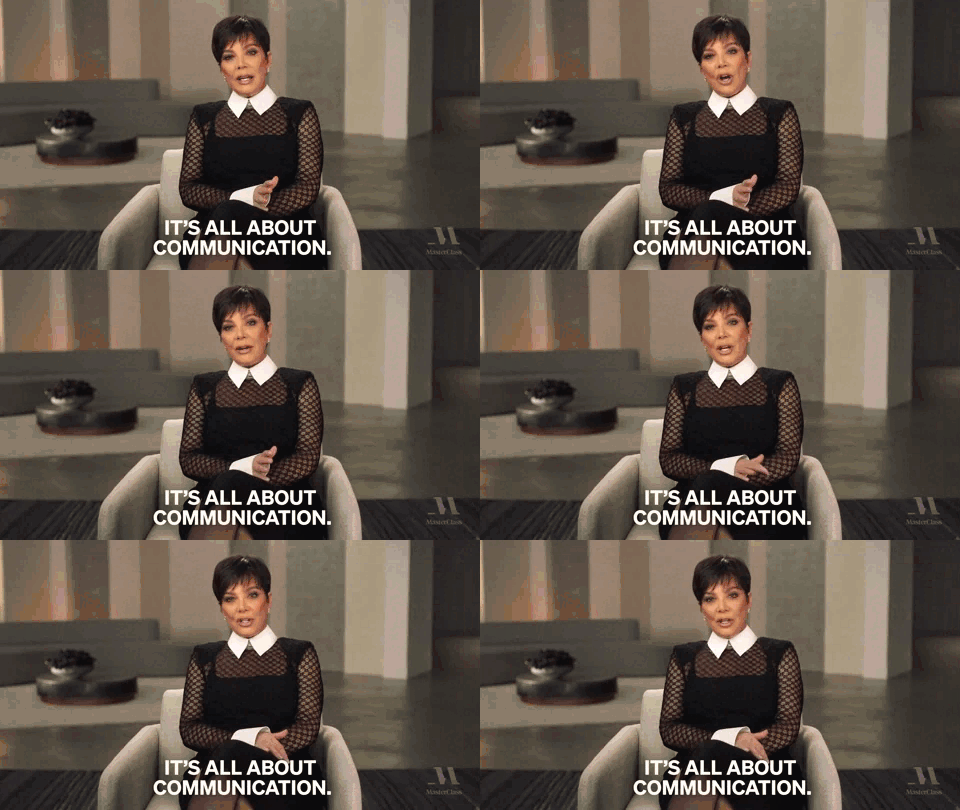
At a studio, communication is much more direct. Designers often communicate with clients themselves — presenting work, clarifying needs and timelines. It’s rewarding, because you get to hear feedback firsthand and build stronger relationships. It’s helping me grow — learning to navigate client needs, manage expectations, and find a rhythm that keeps projects moving smoothly.
Pace & predictability
This is another difference I’ve noticed. Working within a large consumer based in-house team, one is looking ahead and deciding on market trends. There’s predictability in cyclical campaigns, seasonal pushes and planned launches that happen before the start of each year.
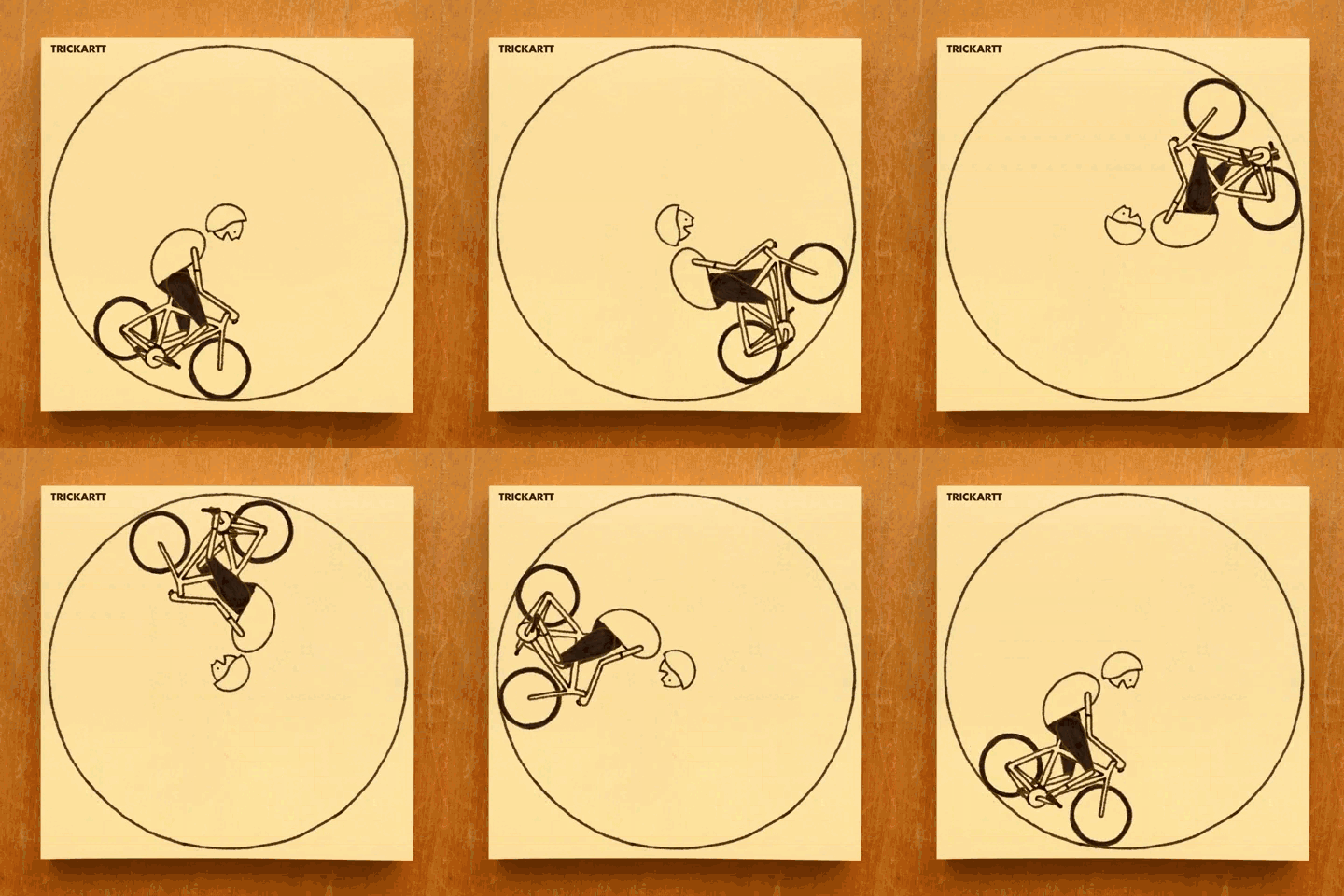
At the studio, its been different —still cyclical but less predictable. It’s fast-moving, often overlapping, and new projects being briefed in. Multiple projects run at once, each with its own deadlines and creative direction. Things can change quickly, and you must learn to pivot without losing your stride.
Both in-house and studio environments have their own strengths. Neither is better than the other — they simply build different muscles. For me, this transition has been a reminder that growth happens when you step outside your comfort zone. And right now, I’m enjoying the pace, the people, and the creative stretch that comes with studio life!