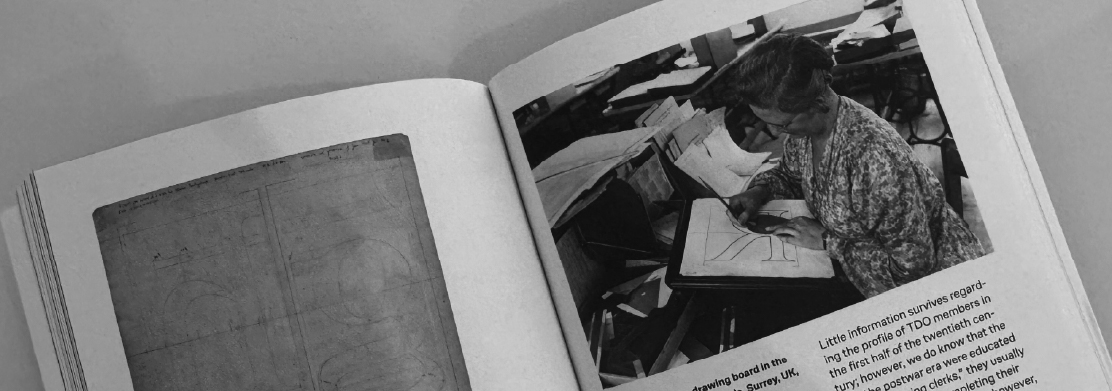
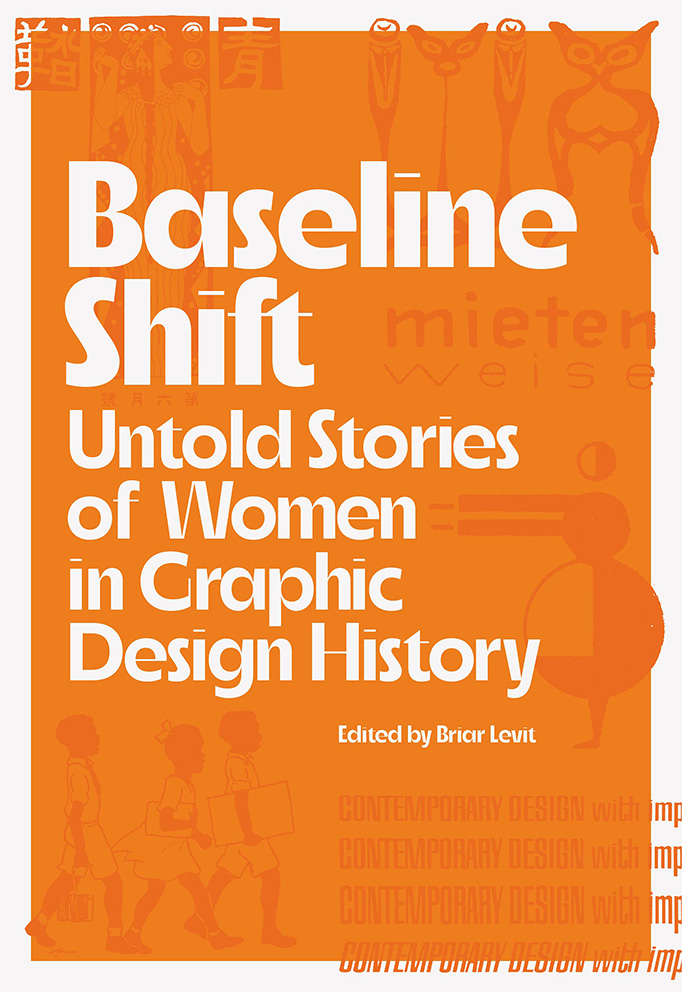

I found it to be a good introduction to lesser-known moments in graphic design and the political history surrounding it. A lot of the book looks at women making the most of limited opportunities, learning new skills and finding ways to move beyond the roles they were originally given. It also shows how often their work was treated as secondary or lesser, even when they played a major part in the final result.
One thing I kept thinking about while reading was how much design today is influenced by the same platforms and references, especially as large companies begin adapting their design systems for AI. Coca-Cola’s rebrand, for example, introduced a more unified visual system alongside AI-powered tools that can handle repetitive production work. That may be more efficient, but we are also watching many of these entry-level roles disappear in front of us. This feels especially significant in the context of this book, where production work was often one of the only ways women could get into the industry, build their skills and eventually create careers in design.

My biggest criticism is that the book discusses several pieces of work without showing them. Instead of the time spent describing something visual, I would prefer to be able to see it for myself. Including more images would also have felt like a better way to honour women whose work has already gone unseen.
Since the essays were written by multiple authors, the tone and approach changed throughout the book. Some really pulled me in, and I connected with the way they explored the women and the impact of their work. Others felt a bit drier and focused more on the series of events in someone’s life.
Overall, Baseline Shift is a thoughtful introduction to women who helped shape graphic design but were not always given the credit they deserved. I would recommend it to designers, students and anyone interested in the connection between design, labour and women’s history.